








Passionate – Dedicated – Professional
The steps we follow to
achieve your goals
Passionate Craftsmanship, Flawless Results. From kitchen islands to reception desks, every custom project is vital. Our meticulous process guarantees exceptional outcomes. Our dedicated team manages every step, ensuring flawless surfaces delivered swiftly.
Passionate – Dedicated – Professional
Our products
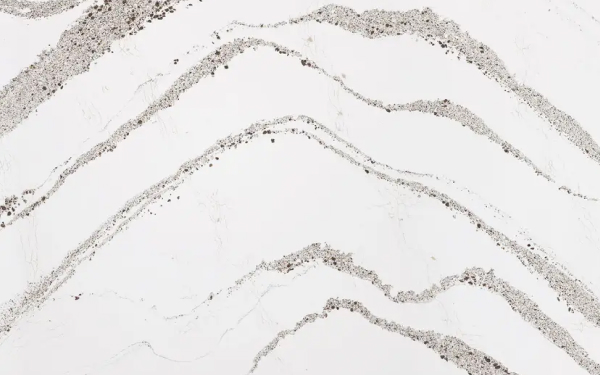
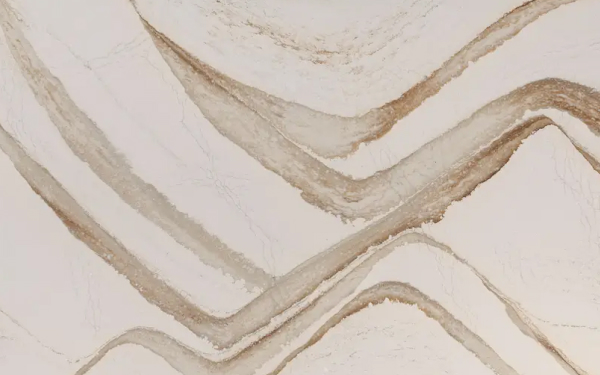
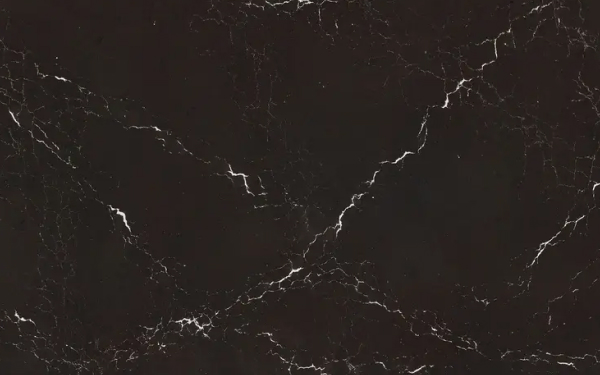
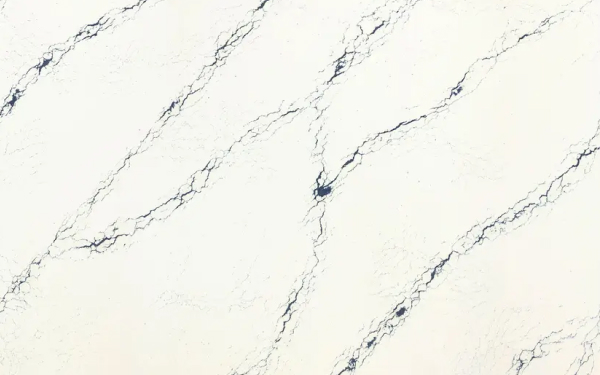
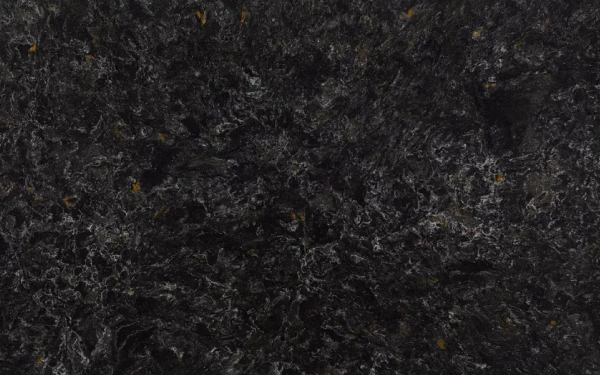
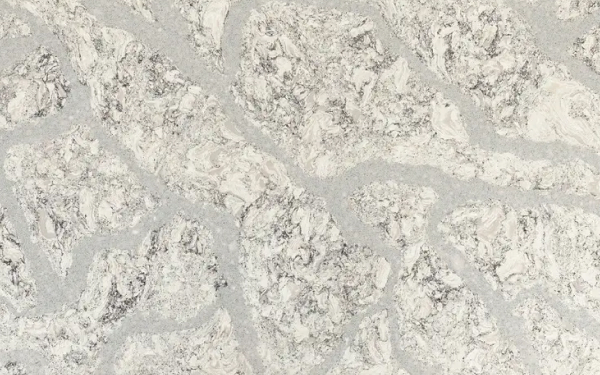
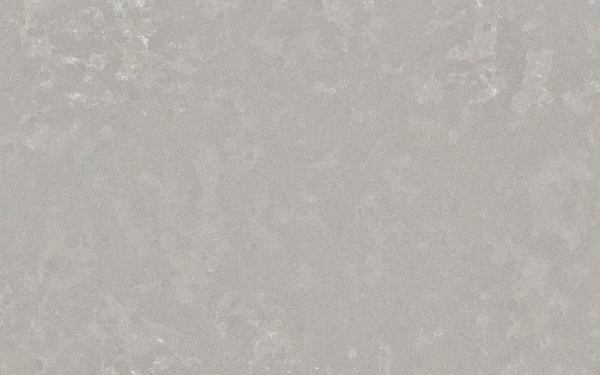
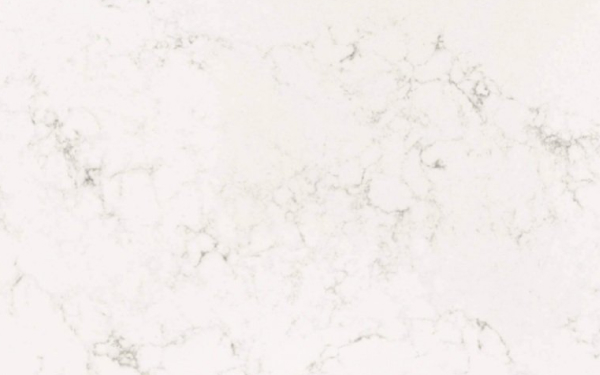
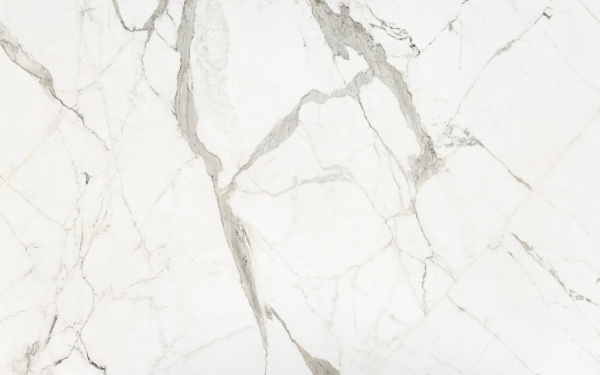
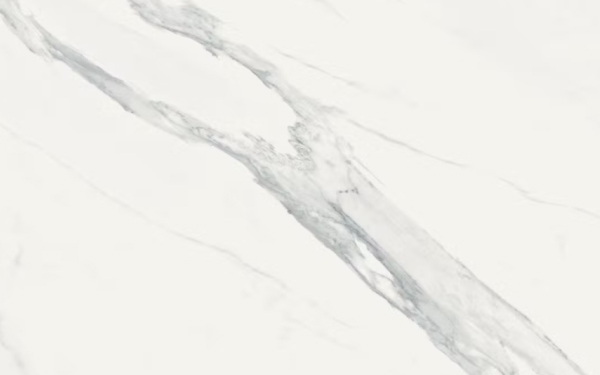
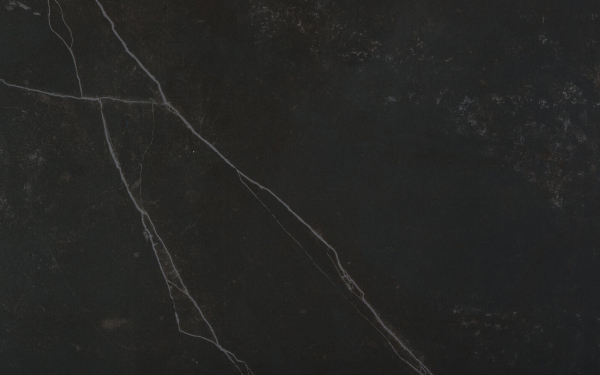
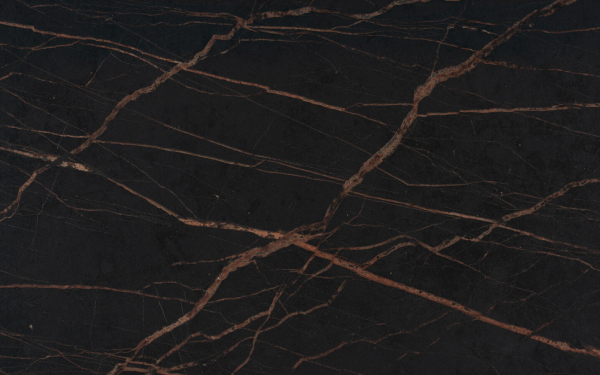
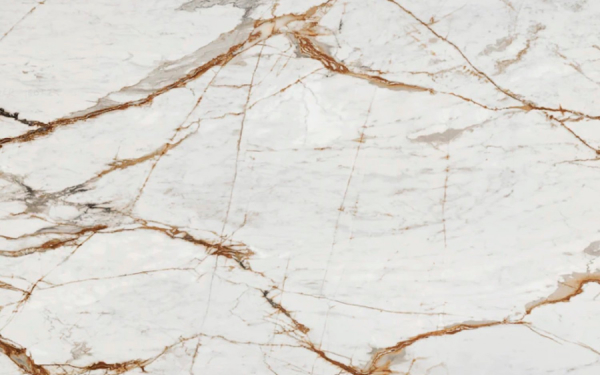
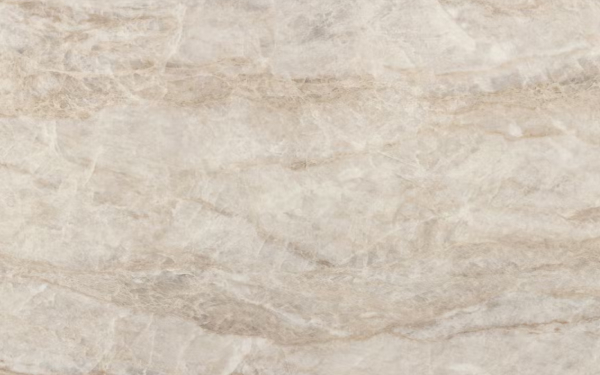
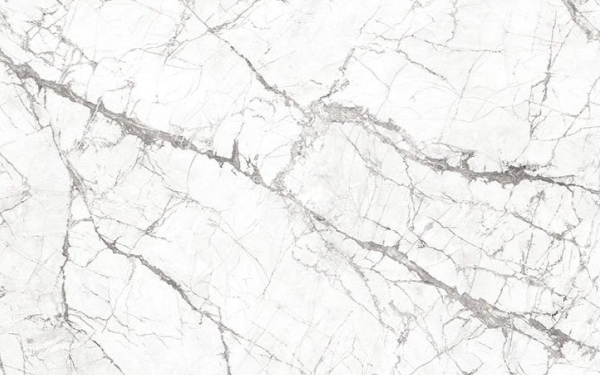
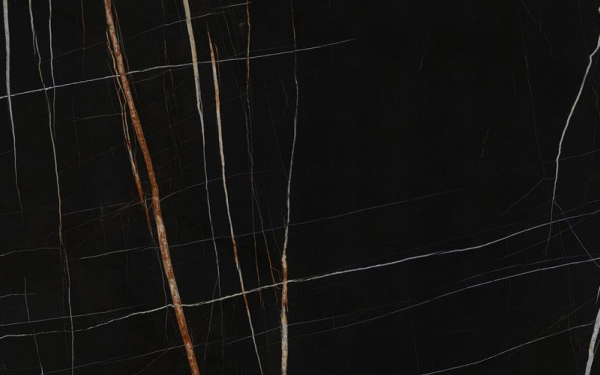
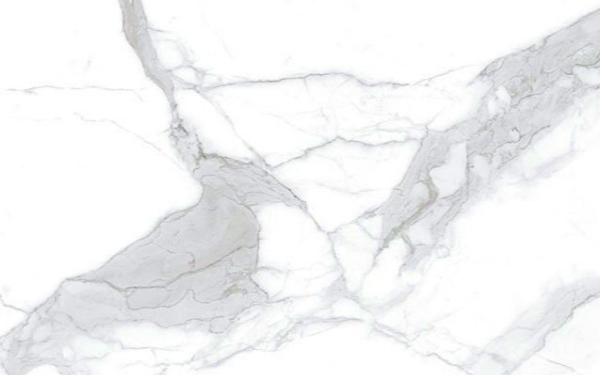
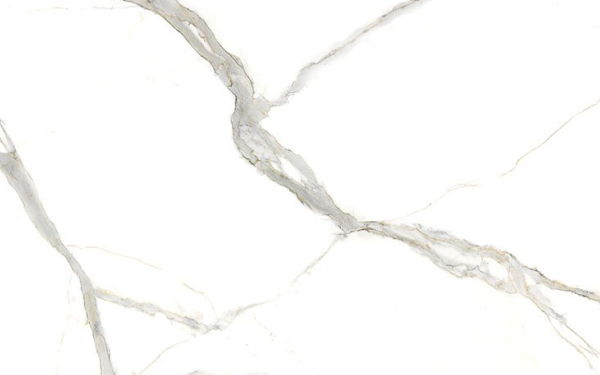
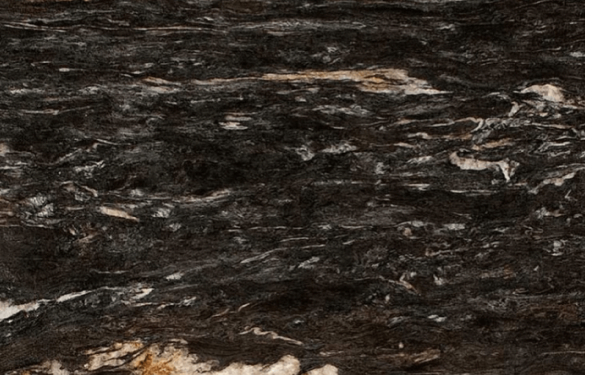
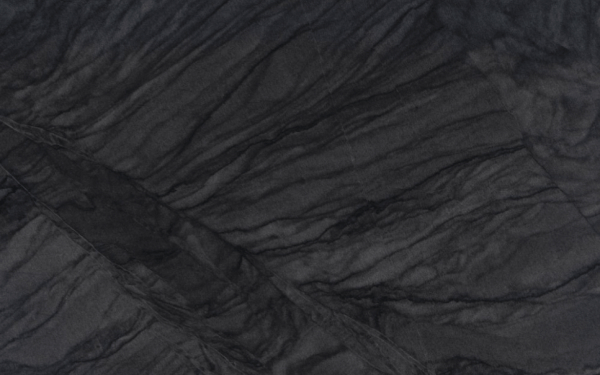
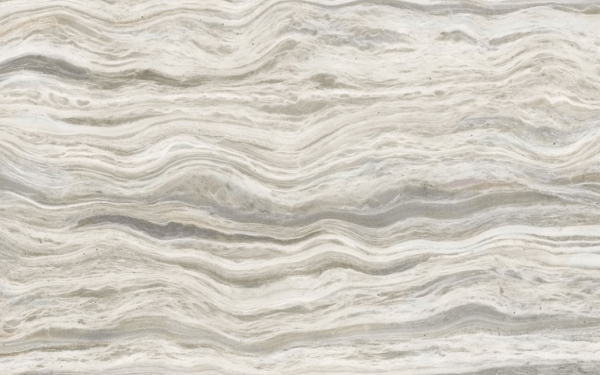
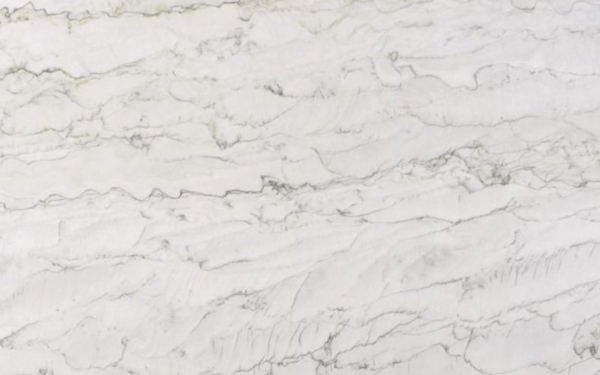
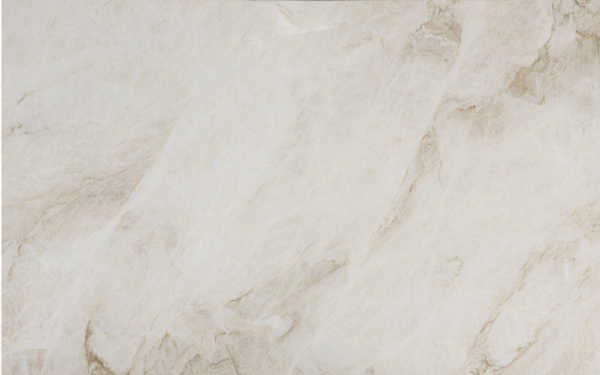
Explore our stone collection: timeless elegance, enduring quality. Discover a range of premium stones, meticulously sourced and crafted to elevate your spaces with natural beauty and lasting sophistication
Frequently Asked Questions
Curious about our process or installation preparations? Explore a compilation of frequently asked questions by our customers.
Sustainability: Since granite does create naturally, it can be considered as a renewable resource; however, the process takes thousands of years. Granite countertops can last a lifetime, they do not contain harmful chemicals and do not emit harmful radiation or gasses, which place them in the green building movement. Heat Resistance: Granite is currently one of the most heat-resistant materials for countertops. You may place a hot plate or pan directly on your granite countertop surface and it won’t cause any damage. Although, it is recommended to use a trivet when placing hot objects on your countertop for long periods of time. Scratch Resistance: Scoring a seven out of 10 on Moh’s scale of hardness, granite is fairly resistant to scratching. It is recommended to always use chopping boards when cutting anything on the countertop, but in order to protect the sharpness of the knife, since granite will dull your knives and possibly leave a metal residue on the countertop that could be difficult to remove. Resistance to Chemicals: Granite countertops are deemed to be very resistant to chemicals. Acids and bases will not harm a granite surface. You should be careful about the frequency of use, since the repeated use of chemicals might wash away the sealer after a certain period, resulting in the need for re-sealing the surface before the due time. Stain Resistance: In general, darker granites are very dense and sometimes there isn’t a requirement for a sealer. On the other hand, lighter granites are more porous, which make them prone to stains, requiring multiple coats of sealer to be considered stain resistant. Whichever the case, if properly treated, granite will make a great stain-resistant countertop surface. Sealing. Granite: is a porous material. Most fabricators will apply a sealer to granite countertops before they are installed which will protect them from absorbing liquids too quickly. Being porous is not necessarily a bad quality. If liquids are left on the surface for long periods of time, they will eventually absorb. But just like they absorb, they will also evaporate. Depending on what the substance is that needs to be removed, you can apply different poultices to speed the process along. However, many will evaporate on their own without the use of chemicals or cleaning products. Maintenance: Granite countertops are considered to be a low maintenance countertop surface. The likelihood of needing to be repaired or resurfaced is low. Technology for sealers has come a long way over the years, and many will last more than 10 years before needing to be reapplied. When they do need to be reapplied, it is something that most homeowners can do on their own as the process is similar to cleaning. Simply apply the product and wipe off the excess. It is a good idea to ask your installer which sealer was initially applied and use the same kind to reapply. Some sealers don’t play nicely with each other and when mixed, can create a sticky mess. Colour Availability: Since granite is a natural stone, we are limited to the colors and patterns that originate from the earth’s natural processes. Granite tends to have less variety of patterns and colours than other stones.Flowing waves and patterns will not be well represented in a sample, be sure to look at the exact slab that will be used in your project so you get the right image.
Quartzite on one hand, contains minerals and nothing else. Quartz, the mineral, is the main ingredient. A quartzite stone is 100% natural and comes directly from the earth, made from geologic processes, over millions of years. Some types of quartzite contain smaller amounts of other minerals that give the stone color and character. The most well-known quartzite quarries are located in Brazil, though there are quarries along the planet including in Canada, India, Italy, Norway, and Sweden. Conditions such as the depth at which quartz is formed and the time it spends under the earth defines how porous a quartzite is, resulting in the conditions it can endure. On the other hand, even though the name “quartz” refers to a natural mineral, engineered quartz (sometimes referred to as “engineered stone”) is a manmade stone. It’s the product of bonding quartz particles together with resin, pigments, and other ingredients; in a mold. Manufactured quartz is made in factories in the United States, Europe, and Asia, among other locations. The mix in the mold is put under vacuum conditions, vibration, and pressure; this process is called “compaction by vibrocompression vacuum process.” The slabs are compressed at around 30 pounds per square inch, and heated up to 360° (around 180° C)F for around 40 minutes. The heat and pressure used to manufacture a slab are by far minor than the conditions that happen in nature. Due to the use of resin, engineered quartz results in having low porosity, nonetheless, this makes engineered quartz softer than natural quartzite. For application purposes, quartzite can be used indoors and outdoors indistinctly. From countertops and flooring, to outdoor kitchens and cladding. Weather conditions and UV light won’t affect the surfaces. Engineered quartz is best for using indoors. The resins used in engineered stone, after exposed to UV rays for longer periods of time, will turn yellow.
Cleaning a quartzite countertop is similar to caring for a granite one. Use a soft cloth or a paper towel to wipe up counters regularly with a gentle cleanser and water. Remember to avoid using dish detergent since it leaves a greasy film, which can dull or leave streaks on stone surfaces. Keep all bottles and containers on a dish, including dish detergent, to prevent residues touching the surface of the countertop. Constantly dry the underneath off anything placed on the countertop, and wipe off water around the faucet and fixtures; water will calcify and though it is cleanable using a neutral cleaner once a week, it is also preventable.
When caring for a marble countertop, pay special attention to acidic substances including tomatoes, citrus fruits, juices, alcohol, vinegar, red wine and oil; wipe off all of these immediately to avoid ending up with an etch or a burn mark. Prevent etching and stains by religiously using cutting boards, trivets, and coasters. Clean marble countertops on a daily basis with a soft cloth or a paper towel and stone cleaner or mild soap, avoid dish soap. Keep all bottles and containers on a dish, including dish detergent, to prevent residues touching the surface of the countertop. Constantly dry the underneath off anything placed on the countertop, and wipe off water around the faucet and fixtures; water will calcify and though it is cleanable using a neutral cleaner once a week, it is also preventable.